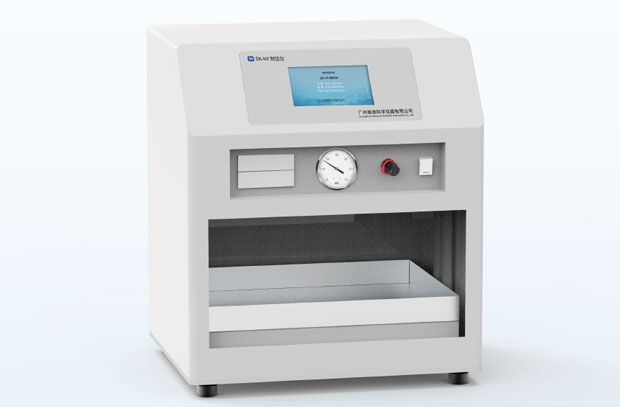
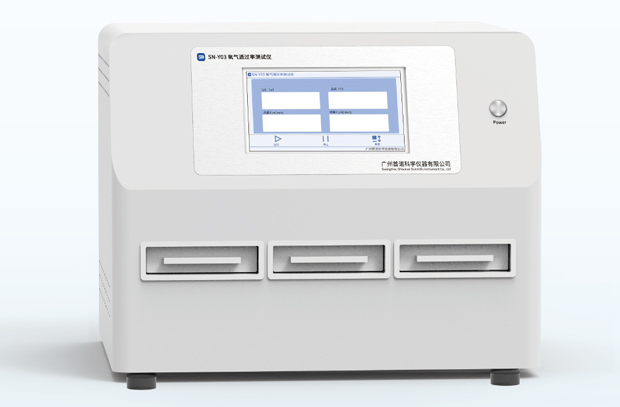
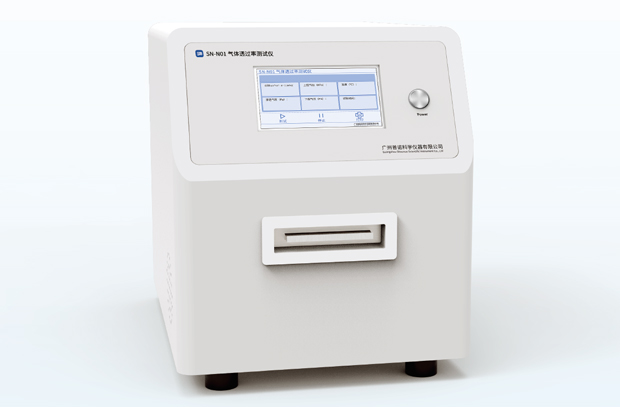
The qualified standards for water vapor transmission rate (WVTR) vary depending on the application field and specific products. For electronic product packaging materials, it is generally necessary to strictly control the water vapor transmission rate to ensure that electronic components are not affected by moisture. The following are some reference standards for water vapor transmission rate in common applications:
Electronic product packaging
General requirements: Electronic products are very sensitive to humidity, so the water vapor transmission rate of packaging materials is required to be high. Usually, WVTR needs to be lower than 0.1 g/m²·day (grams per square meter per day).
High-end requirements: For high-precision electronic products, the requirements may be more stringent, and WVTR needs to be lower than 0.01 g/m²·day or even lower.
Food packaging
Dry food: In order to prevent moisture absorption, WVTR is usually required to be lower than 10 g/m²·day.
Wet food: For foods that require a certain humidity, such as bread, WVTR can be appropriately higher, but it still needs to be controlled within a reasonable range.
Medical packaging
Drug packaging: In order to ensure the stability and shelf life of drugs, WVTR is generally required to be lower than 0.5 g/m²·day.
Medical device packaging: For some moisture-sensitive medical devices, WVTR needs to be less than 1 g/m²·day.
Industrial applications
High-performance materials: In some high-demand industrial applications, such as special coatings or membranes, WVTR may need to be less than 0.01 g/m²·day.
Specific reference standards
For specific qualified standards, please refer to the technical specifications and standards of the relevant industry, such as:
GB 1037: Determination of water vapor transmission rate of plastic films and sheets under certain temperature and humidity conditions
GB/T 16928: Specifies the test method for determining the water vapor transmission rate of plastic films and sheets in packaging materials under specific conditions using electrolysis
ASTM D1653: Specially used to determine the water vapor transmission rate of coating materials
TAPPI T464: Specially used to determine the water vapor transmission rate of paper and paperboard materials
ISO 2528: A standard developed by the International Organization for Standardization (ISO) specifically for determining the water vapor transmission rate of materials such as films, sheets, paper and paperboard.
ASTM E96: Standard test method for determining the water vapor transmission rate of materials.
ISO 15106: Determination of water vapor transmission of plastic films and sheets.
How to judge eligibility
To judge whether the water vapor transmission rate of packaging materials is qualified, the following factors need to be considered comprehensively:
1. Product type: Determine the moisture sensitivity of the packaged product.
2. Application environment: Consider the environmental conditions in which the product is stored and transported.
3. Industry standards: Refer to recognized technical standards and specifications in the industry.
4. Customer requirements: Meet customers' special requirements for packaging materials.
In order to ensure the performance of packaging materials, strict testing and verification are usually required to ensure that its water vapor transmission rate meets the standards and can effectively protect the product from moisture.